Stump Grinding for Homeowners in Jersey City
A stump looks harmless, but it changes week by week. At first it is firm and easy to find. Then roots begin to decay, sprouts appear, and insects move in. Grinding is easiest to plan before that slow decline.
Readerswhole Tree Service is a referral service. We do not grind stumps ourselves. You describe the stump and request an estimate, and we connect you with an independent provider in our network serving the Jersey City area. The provider confirms the details, gives a written quote, and schedules the visit. Use this page as a checklist so you know what to expect.
Stump in the Yard? Check the Timeline
First, know that a stump is not a finished problem. It keeps changing. Here is what usually happens over time.
Weeks 1 to 4: Fresh and Firm
The wood is still solid. The stump is easy to see and easy to measure. Many providers find this stage simple to quote.
Months 2 to 12: Sprouts and Hidden Roots
Roots may stay alive for a while. Many species send up shoots from the stump or nearby soil. Cutting the shoots only helps for a short time.
Year 2 and Beyond: Rot and Pests
The wood softens. Ants, beetles and fungus may move in. A soft stump can still hide hard, tangled roots below the surface.
Problems an Old Stump Causes
Next, look at the risks. Check which ones apply to your yard.
Trips and Mower Damage
A low stump hides in tall grass. People trip on it. Mower blades and trimmer lines hit it.
Pests and Decay
Rotting wood attracts insects. Some of them can spread to nearby plants or wood structures.
Roots Near Foundations and Paths
Older homes often have stone or block foundations and tight lots. Roots can sit close to walls, walkways and buried lines. Cold winters and spring thaws can shift soil around them.
How Stump Grinding Works
Then, here is the usual process. A provider may vary it.
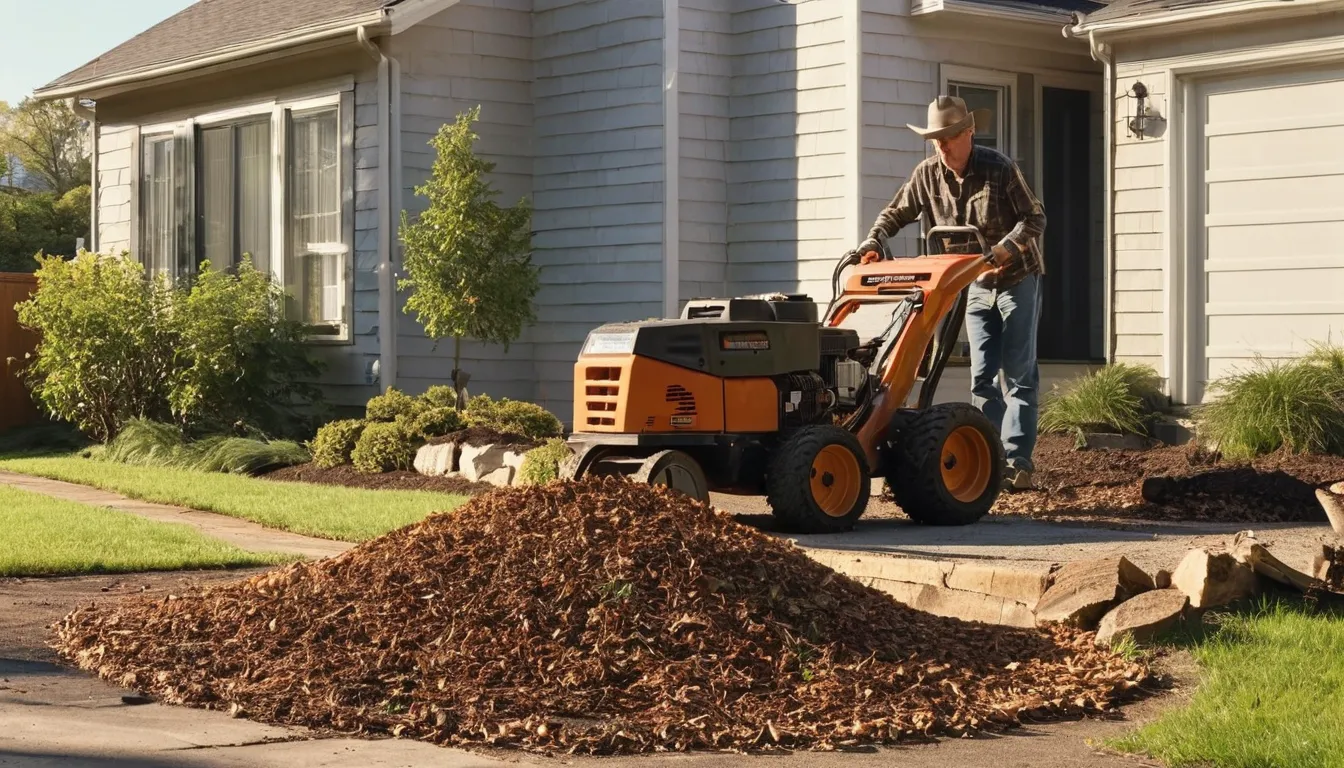
1. The provider checks the stump size and the access path. 2. Buried lines are located and marked before any cutting starts. 3. A grinder cuts the stump into wood chips, working side to side. 4. The grinder goes below ground level, often several inches down. 5. The chips are raked into the hole or hauled away.
A bigger machine needs a wider path. Ask the provider about gate width and soft ground.
Stump Grinding vs. Stump Removal
Grinding cuts the stump into chips. Removal digs out the stump and much of the root ball.
- Grinding: less digging, less mess, usually quicker. Some roots stay and rot slowly.
- Removal: leaves a large hole and more disruption. It may suit a spot where you need a clear root zone.
For most yards, grinding is the usual choice. Ask the provider which fits your plan.
What Affects the Price
The quote depends on a few clear points:
- Stump width and height
- Species and wood hardness
- Number of stumps
- Surface roots you want ground
- Access, slope and soft or wet ground
- Chip cleanup or haul-away
Prices vary by job and region. Always ask for a written quote.
Getting Ready for Grinding Day
First, do the simple prep. It helps the visit go smoothly.
Your Checklist Before the Visit
- Clear toys, hoses, planters and furniture from the area.
- Take photos of the stump and the path to it.
- Note any sprinkler heads, lights or fences nearby.
- Tell the provider about any buried lines you know of.
- Keep children and pets indoors during the work.
Mark Your Own Hazards
After a long winter, stones and old fence pieces may sit in the soil. Tell the provider what you know. Hidden metal can damage grinder teeth.
Grinding Stumps Left From Past Removals
Many stumps come from earlier work. Some were left after a tree falling service. Others remain after storm tree clearance, when crews cut trunks high and moved on. Older stumps are often fine to grind, but rotted wood can be uneven. Share the stump's age when you request the estimate.
If a tree is still standing or leaning, that is a different job. Ask about it separately.
What to Do After Grinding
Then, finish the job with care.
- Decide whether to keep the chips as mulch or have them hauled away.
- Fill the hole with soil and pack it down in layers.
- Expect settling. Top it off after rain and spring thaws.
- Wait before planting a new tree in the same spot, and ask the provider about leftover roots.
- Watch for sprouts and trim them early.
Questions to Ask the Provider
Last, use this short list when you talk to the provider.
- How deep will you grind?
- Is cleanup included, or priced separately?
- Can you grind surface roots too?
- How will you check for buried lines?
- Can you give a written quote before work starts?
Request a callback to check provider availability, or send the request form and wait for a match.
What's Included
Stump Check
The provider reviews stump size, species and access so the quote matches the real job.
Below-Grade Grinding
A grinder cuts the stump into chips, usually several inches below the soil surface.
Root and Chip Options
Ask about grinding surface roots and whether chips stay as mulch or get hauled away.
Written Quote
Ask for the price, the scope and cleanup details in writing before any work begins.
Typical Stump Grinding Costs
These are typical U.S. ranges for stump grinding. Real prices depend on stump size, wood hardness, access and local rates, so ask the provider for a written quote.
| Item | Typical range | Notes |
|---|---|---|
| Small stump (under 12 in.) | $100 – $250 | Easy access keeps the price low |
| Medium stump (12–24 in.) | $200 – $450 | Hardwoods can cost more |
| Large stump (over 24 in.) | $400 – $1,000 | Needs bigger machines and more time |
| Minimum service charge | $100 – $250 | Many providers set a floor price |
| Surface root grinding | $75 – $400 | Depends on root length and spread |
| Chip haul-away | $50 – $200 | Leaving chips as mulch may cost less |
How It Works
Describe the Stump
Share the stump's size, location and age, plus a couple of photos if you have them.
Request an Estimate
Send the form, and we pass your details to a matched independent provider.
Confirm Details
The provider reviews access, depth and cleanup, then gives you a written quote.
Schedule Grinding
Pick a visit time, prep the area, and let the provider do the work.
Why Call Readerswhole Tree Service
Why Timing Matters Here
Roots and wood change over time, and a quick plan often keeps the job simpler.
Safer Yard
Grinding removes a hidden trip and mower hazard.
Fewer Pests
Less rotting wood can mean fewer insects nearby.
Usable Space
A cleared spot is ready for lawn, beds or new plantings.
Other Services
Need stump grinding in Jersey City?
Describe your tree, share a few details, and request an estimate. Prefer the phone? Request a callback to check provider availability.
No obligationStump Grinding FAQ
How long does it take to grind a stump?
Most small and medium stumps take under an hour once the machine is in place. Large stumps, hard wood, many roots or tricky access can take longer. The provider can give a better time estimate.
Is it okay to grind an old stump that is rotting?
Usually yes. Soft wood grinds easily, but roots below can still be hard. Tell the provider the stump's age so the quote and the plan match what is really in the ground.
Can I plant grass or a tree after stump grinding?
Grass usually works once the hole is filled and packed. For a new tree, ask the provider about leftover roots, and consider planting a little away from the old spot.
Get in touch
Describe your tree, share a few details, and request an estimate. Prefer the phone? Request a callback to check provider availability.
No obligation